

As the world of marketing continues to evolve, businesses need to adapt and adopt new strategies to keep up with the ever-changing market trends. One of the most effective strategies that businesses can use to drive sustainable growth is the flywheel marketing strategy. This approach is a paradigm shift from the traditional sales funnel approach, which focuses on attracting and converting leads into customers. The flywheel strategy focuses on attracting, engaging, and delighting customers to create a self-sustaining cycle of growth.
Now we will delve into the fundamentals of the flywheel marketing strategy, explore its benefits, and provide insights on how businesses can implement this strategy to transform their growth.
What is the Flywheel Marketing Strategy?
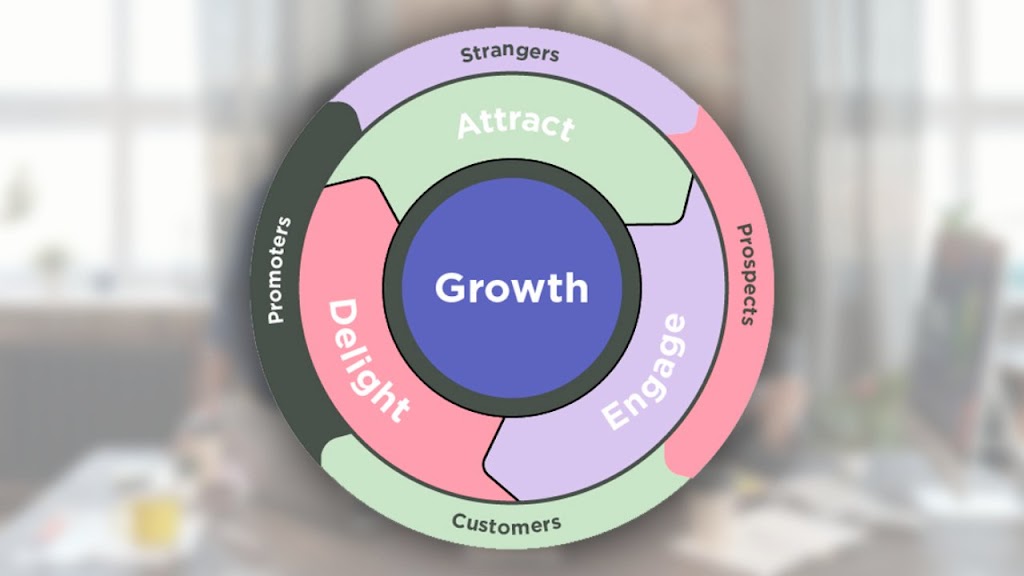
The flywheel marketing strategy is a customer-centric approach to marketing that revolves around three key stages: attract, engage, and delight. Unlike the traditional sales funnel approach, the flywheel strategy does not end with the conversion of a lead into a customer. Instead, it focuses on building a relationship with the customer and creating a self-sustaining cycle of growth.
The flywheel marketing strategy is built on the principle that happy customers are a business’s best marketers. When customers are delighted with a product or service, they are more likely to recommend it to others, write positive reviews, and become repeat customers. This, in turn, creates a positive feedback loop that drives growth.
The Three Stages of the Flywheel Marketing Strategy
1. Attract
The first stage of the flywheel marketing strategy is attracting potential customers to your business. This involves creating compelling content that resonates with your target audience, optimizing your website for search engines, and leveraging social media platforms to increase your brand awareness.
To attract customers, businesses need to understand their target audience’s needs, pain points, and preferences. By creating buyer personas, businesses can create targeted content that speaks directly to their audience.
2. Engage
The second stage of the flywheel marketing strategy is engaging with customers to build trust and credibility. This involves providing value to customers through educational content, personalized experiences, and exceptional customer service.
To engage customers, businesses need to create a seamless customer journey that delivers a consistent experience across all touchpoints. By leveraging marketing automation tools, businesses can create personalized experiences that keep customers engaged throughout their journey.
3. Delight
The third stage of the flywheel marketing strategy is delighting customers to create brand advocates. This involves delivering exceptional customer experiences that exceed expectations, proactively addressing customer issues, and providing opportunities for customers to give feedback.
To delight customers, businesses need to go above and beyond to create memorable experiences that leave a lasting impression. By consistently delivering exceptional experiences, businesses can create a loyal customer base that promotes their brand through word of mouth.
The Benefits of the Flywheel Marketing Strategy
The flywheel marketing strategy offers several benefits that can help businesses achieve sustainable growth:
Increased customer loyalty: By focusing on delivering exceptional customer experiences, businesses can create loyal customers who are more likely to repeat purchases and recommend the brand to others.
Increased customer lifetime value: By creating personalized experiences and offering value to customers, businesses can increase their lifetime value and drive more revenue over time.
Reduced customer acquisition costs: By creating a self-sustaining cycle of growth, businesses can reduce their customer acquisition costs and improve their return on investment.
Implementing the Flywheel Marketing Strategy
Implementing the flywheel marketing strategy requires a shift in mindset and a commitment to customer-centricity. Here are some tips to help businesses implement the flywheel marketing strategy:
Create buyer personas: Creating buyer personas helps businesses understand their target audience’s needs, pain points, and preferences. This, in turn, helps businesses create targeted content that speaks directly to their audience and attracts potential customers.
Provide personalized experiences: Personalization is key to engaging customers and building trust. By leveraging marketing automation tools, businesses can create personalized experiences that keep customers engaged throughout their journey.
Invest in customer service: Providing exceptional customer service is crucial to creating loyal customers. By proactively addressing customer issues and providing opportunities for feedback, businesses can create a customer-centric culture that drives growth.
Focus on delivering value: To attract and retain customers, businesses need to provide value through educational content, exclusive offers, and exceptional experiences. By consistently delivering value, businesses can increase customer lifetime value and drive sustainable growth.
Measure and optimize: To ensure the flywheel strategy is driving growth, businesses need to measure their progress and optimize their approach. By tracking key metrics such as customer acquisition cost, customer lifetime value, and customer satisfaction, businesses can identify areas for improvement and adjust their strategy accordingly.
Conclusion
The flywheel marketing strategy is a customer-centric approach to marketing that focuses on creating a self-sustaining cycle of growth. By attracting, engaging, and delighting customers, businesses can create a loyal customer base that promotes their brand through word of mouth. Implementing the flywheel marketing strategy requires a shift in mindset and a commitment to customer-centricity, but the benefits are clear: increased customer loyalty, increased customer lifetime value, and reduced customer acquisition costs. By following the tips outlined in this post, businesses can transform their growth and thrive in an ever-changing market.

